How to read these OSINT case studies
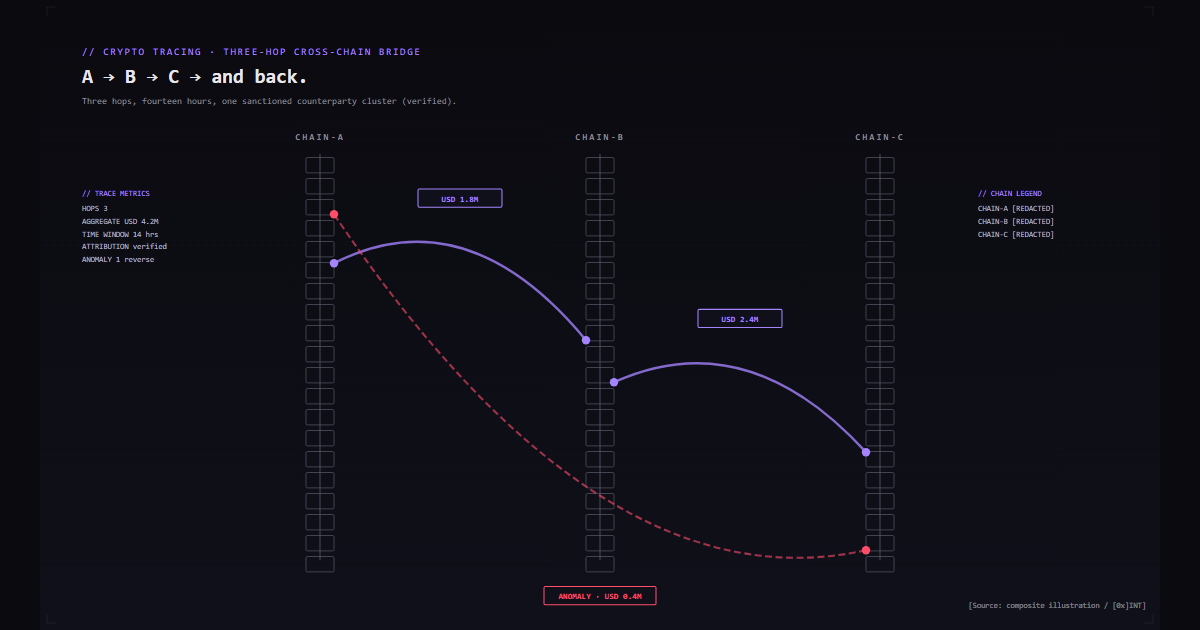
The OSINT case studies on this page are anonymized records of completed forensic investigations across Russia and the CIS. Each case study documents a real intelligence problem — a counterparty who would not resolve, an ownership chart that read cleanly on paper, an income declaration that did not match the lifestyle behind it, a withdrawal that screened green but behaved wrong — and walks through the open-source methodology we used to resolve it. We publish the method, the public-record sources, and the shape of the reconstruction; we never publish client names, real individual identities, exact amounts, or any detail that would breach confidentiality or prejudice a pending matter.
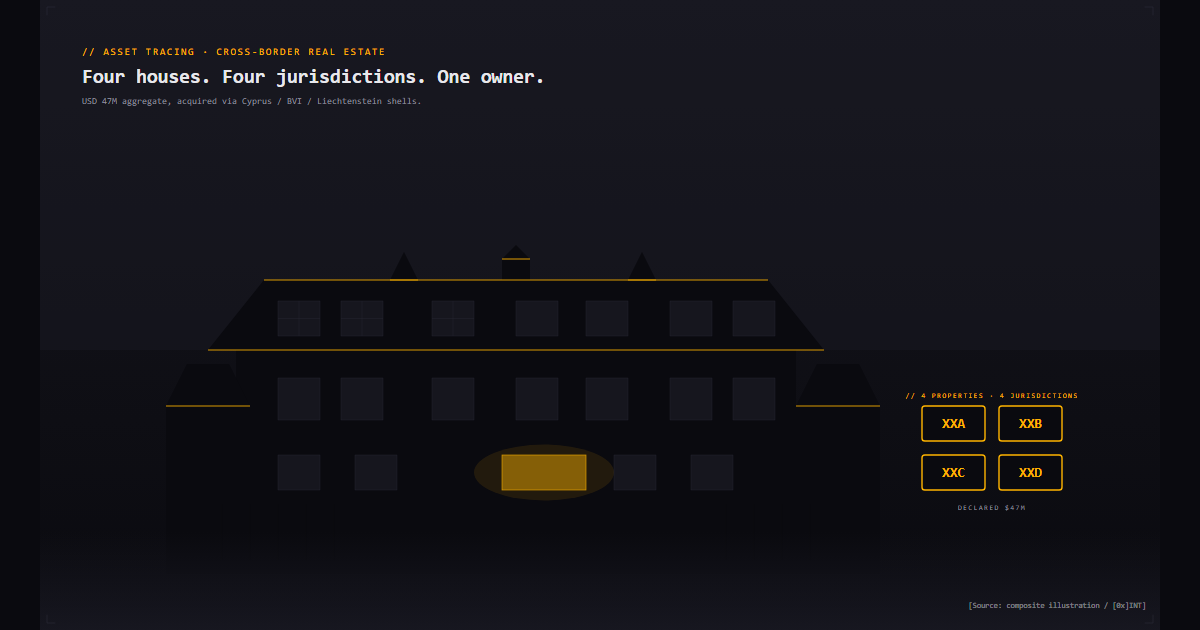
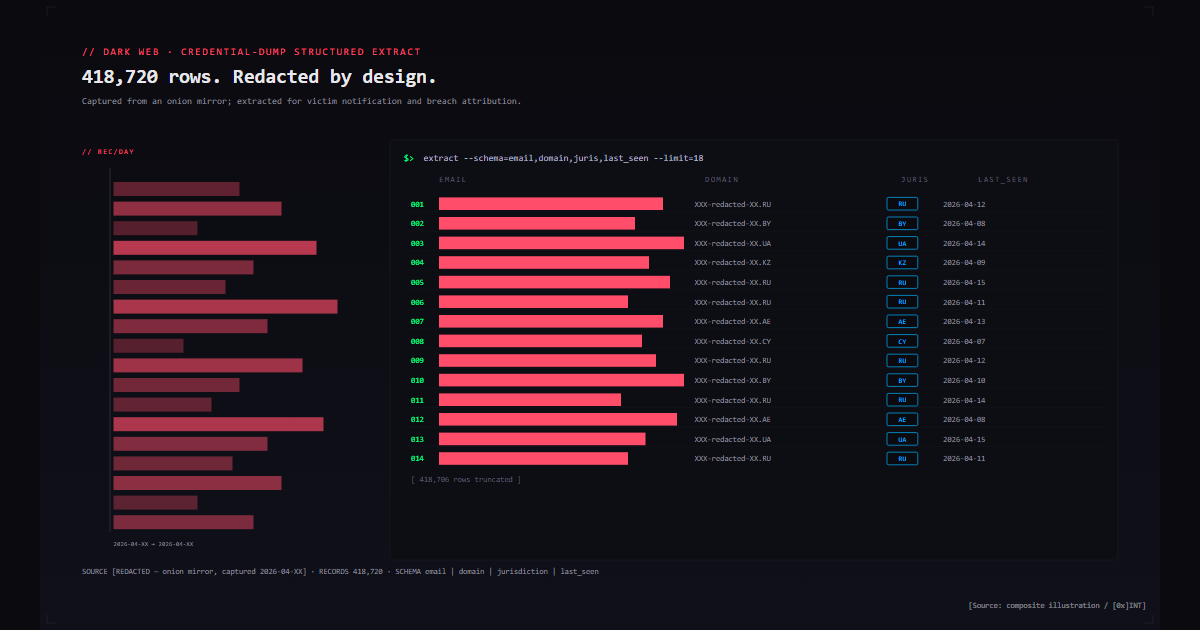
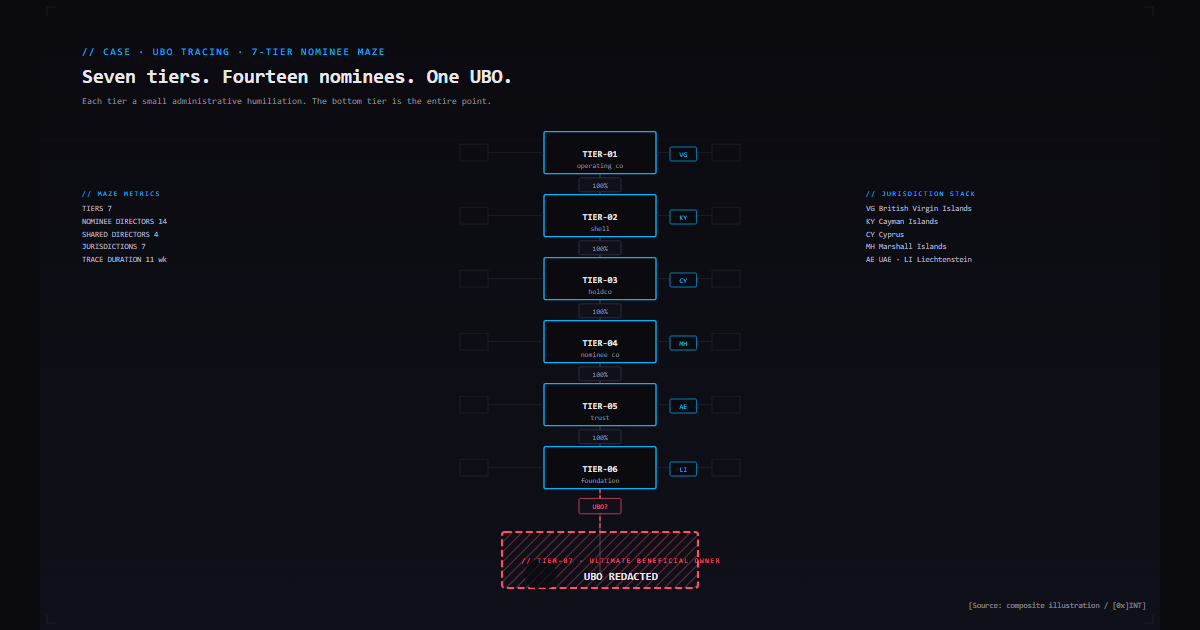
Read each case study for the workflow, not the headline number. The investigations cluster into the disciplines we practise day to day: ultimate-beneficial-owner (UBO) tracing through nominee and pledge structures, multi-jurisdictional asset tracing, on-chain cryptocurrency tracing across bridges and mixers, dark-web exposure and background checks, and deanonymization of anonymous operators. Every conclusion in the underlying deliverables is reproducible from primary public records — corporate registries, cadastres, vessel databases, block explorers and archived web content — so that the work is defensible in front of a bank’s MLRO, an instructing counsel, or a competent regulator.
If you are evaluating us for an engagement rather than reading for method, the commercial counterparts to these case studies are our full capability catalogue and the individual service pages such as asset tracing, UBO verification and deanonymization. The case studies show what the work looks like once it is done; the service pages set out how to commission it.
Frequently asked questions about our case studies
Are these case studies real investigations?
Yes. Every case study is drawn from a completed engagement. We adjust case identifiers, dates, jurisdictions and all identifying details to protect client confidentiality, but the methodology, the registry and on-chain pivots, and the substantive shape of each reconstruction are accurate to the work performed.
Why are names and amounts redacted?
Our engagements are confidential and several touch live regulatory or civil-recovery proceedings. Publishing real names, exact figures or specific entities could breach client confidentiality or prejudice pending action, so we describe the method and the public-record approach only. No case study here identifies a real natural person beyond reference to public sanctions designations.
Can I commission an investigation like one of these?
Yes. Use Start Your Investigation to send a scoped brief. We routinely run UBO reconstructions, multi-jurisdictional asset tracing, cross-chain crypto tracing, dark-web background checks and operator deanonymization on the kinds of timelines these case studies describe.
What sources do these investigations rely on?
Open-source intelligence only: corporate registries (EGRUL, SPARK-Interfax, OpenCorporates), cadastres, the Federal Notarial Chamber pledge register, vessel databases (IMO GISIS, Equasis), AIS feeds, public block explorers, sanctions and PEP datasets such as OpenSanctions, and archived web content via the Wayback Machine. The methods are set out in full on our investigation methodology hub.